Debbie Lindstrom, ADAC
ADA Coordinator, Forsyth County, Georgia. Firefighter, arson investigator, and healthcare Life Safety Coordinator before that — a contributor to LifeSafetyWiki.
Who Debbie is
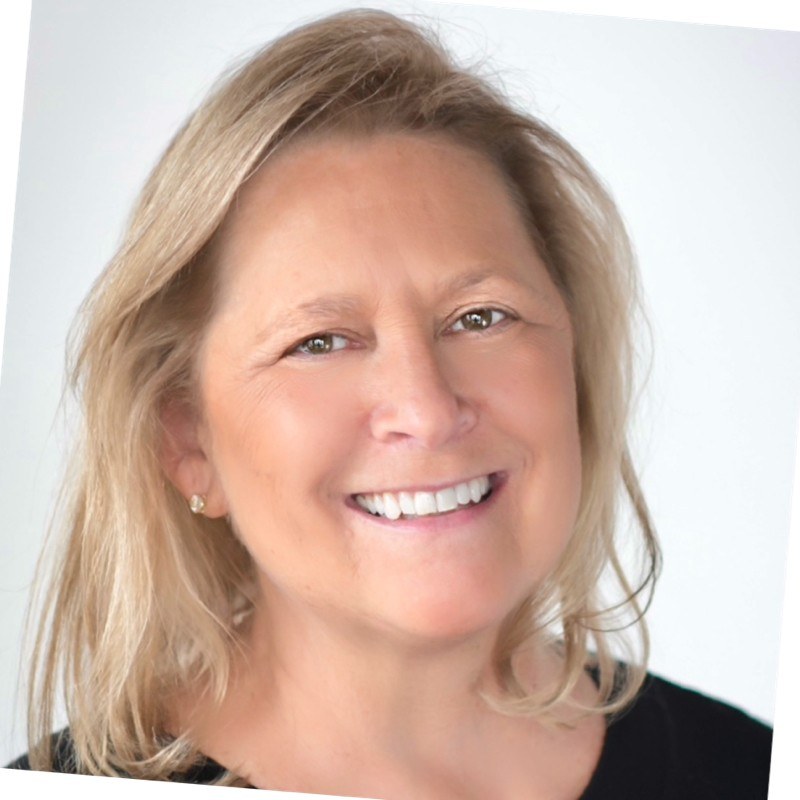
Debbie Lindstrom is an ADA Coordinator for Forsyth County, Georgia, working out of Forsyth County Employment Services in Cumming. She holds the ADAC credential — the ADA Coordinator Certification administered through the Great Plains ADA Center and the University of Missouri, which covers grievance procedures, self-evaluation plans, transition plans, and the day-to-day coordination work that keeps an organization’s accessibility obligations from falling between departments.
She did not arrive there from the legal side. Debbie came up through the fire service as a firefighter and then an arson investigator, and went on to serve as Life Safety Coordinator for the Northside health care system — the survey-facing side of hospital compliance. She has fought fire, worked fire scenes, and walked hospital corridors against a life safety code long before she wrote an accessibility finding.
That combination is rare and it is the reason her writing lands with this audience. Most people who know the ADA well have never read a building for life safety; most people who read buildings for life safety meet accessibility as one line on a checklist. Debbie has done both jobs — which is why she can trace a single obligation from the parking lot, through the exam room, out to the EV charger, and into the patient portal, and show that it was one duty the entire time.
What she brings
Fire Service & Arson Investigation
Frontline firefighting and fire-scene investigation — reading a building for how it fails, and reconstructing what happened after it did.
Healthcare Life Safety
Life Safety Coordinator for the Northside health care system — the survey-facing world of hospital compliance, corridors, compartments and continuous readiness.
ADA Title II Coordination
The designated-coordinator role a public entity is required to have — grievance procedures, self-evaluation, transition planning, and keeping departments pointed the same direction.
Title II vs. Title III
Knowing which title a facility actually falls under, and why a county clinic and the private hospital across the street do not carry identical obligations.
Digital Accessibility
WCAG 2.1 Level AA across websites, patient portals, forms, PDFs, and the third-party integrations most organizations forget they are responsible for.
Physical & Site Access
Accessible routes, parking, operable parts and reach ranges — including the newer questions nobody had to answer five years ago, like EV charging stations.
Her contributions
From the Parking Lot to the Patient Portal →AUTHOR
What ADA compliance actually covers in a hospital. Debbie separates Title II from Title III, lays out what private hospitals owe under the ADA Standards, effective communication, accessible medical diagnostic equipment and policy modification — then follows the same duty out to EV charging stations and into WCAG 2.1 AA patient portals, including the third-party charging app most facilities never thought to ask about.
How Debbie contributes here
Debbie is an editorial contributor and author on LifeSafetyWiki. She writes from a vantage point no one else here has — a fire-service and healthcare life safety background layered under full-time ADA coordination — which lets her connect accessibility to the codes and survey pressures this audience already works under, instead of treating it as a separate discipline. Her work is published as she writes it; the citations, diagrams, compliance dates and cross-links are added by the editor around her words, and the distinction is marked on the page.
See the rest of the contributors and members, explore the ADA Decoded reference, or start a thread in the community.