Fire Door Dojo.
Good technique protects lives. Build your fire door instincts through practical lessons, field experience and the details that matter.
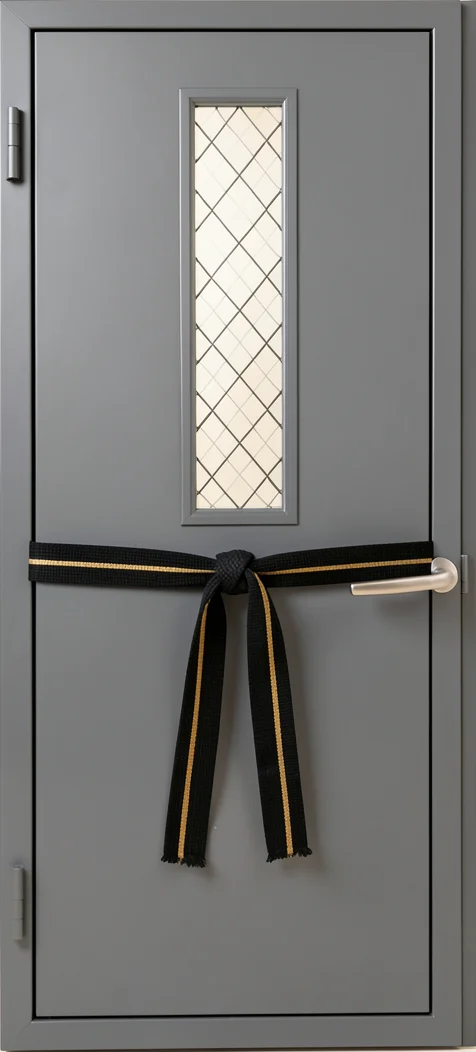
Look closer. Learn what to check.
Real situations. Lessons from the field.
Understand the why behind the work.
Earn your belts.
Know the parts of a fire door and the kinds of fire doors.
Start the course →Yellow beltInspect a fire door against the 13 items in NFPA 80.
Start the course →Door Kata: make a door close and latch — closers and self-closing.
Coming in Door KataDoor Kata: latching — exit devices, locks and strikes.
Coming in Door KataDoor Kata: hinges, sag, frames, clearances and gap products.
Coming in Door KataDoor Kata: pairs, coordinators, hold-opens and electrified hardware.
Coming in Door KataDoor Kata: labels, field modifications, glazing, smoke and rolling doors.
Coming in Door KataEvery bay, a final test, and 10 real inspections signed off by the Door Sensei.
Coming in Door KataFire Door Dojo belts are LifeSafetyWiki study courses — not a license or a third-party certification. They prepare you for credentials such as DHI’s Fire & Egress Door Assembly Inspector; they do not replace them.

Check your door in 60 seconds with the Samektra Gap Axe™
One pocket gauge for the clearances NFPA 80 checks: the gap at the hinge, latch and meeting edges, and the clearance under the door. Slide the blade in — the color tells you pass, at the limit, or fail, for steel and for wood.
- Steel doors: 1/8 in. ± 1/16 in. at the edges
- Wood doors: 1/8 in. maximum
- Bottom clearance: 3/4 in. maximum (the general limit)

Meet the Samektra Gap Wheel™
The Gap Axe’s pocket-sized sibling: a door gap gauge you can spin like a fidget spinner. Turn it to the right arm, slide it in, and you know whether the gap passes, fails, or is too big for a gap kit.
See what each step meansDonald Bell
Fire-rated doors are Donald’s passion: repairing them, testing them and keeping them working. He is the one the team calls when a label doesn’t make sense or a pair won’t latch — his lessons, recommendations and field tips live here. More about Donald →
Fire door skill is built through practice, sharpened by experience, and passed on as technique.
Small lessons. Sharper instincts.
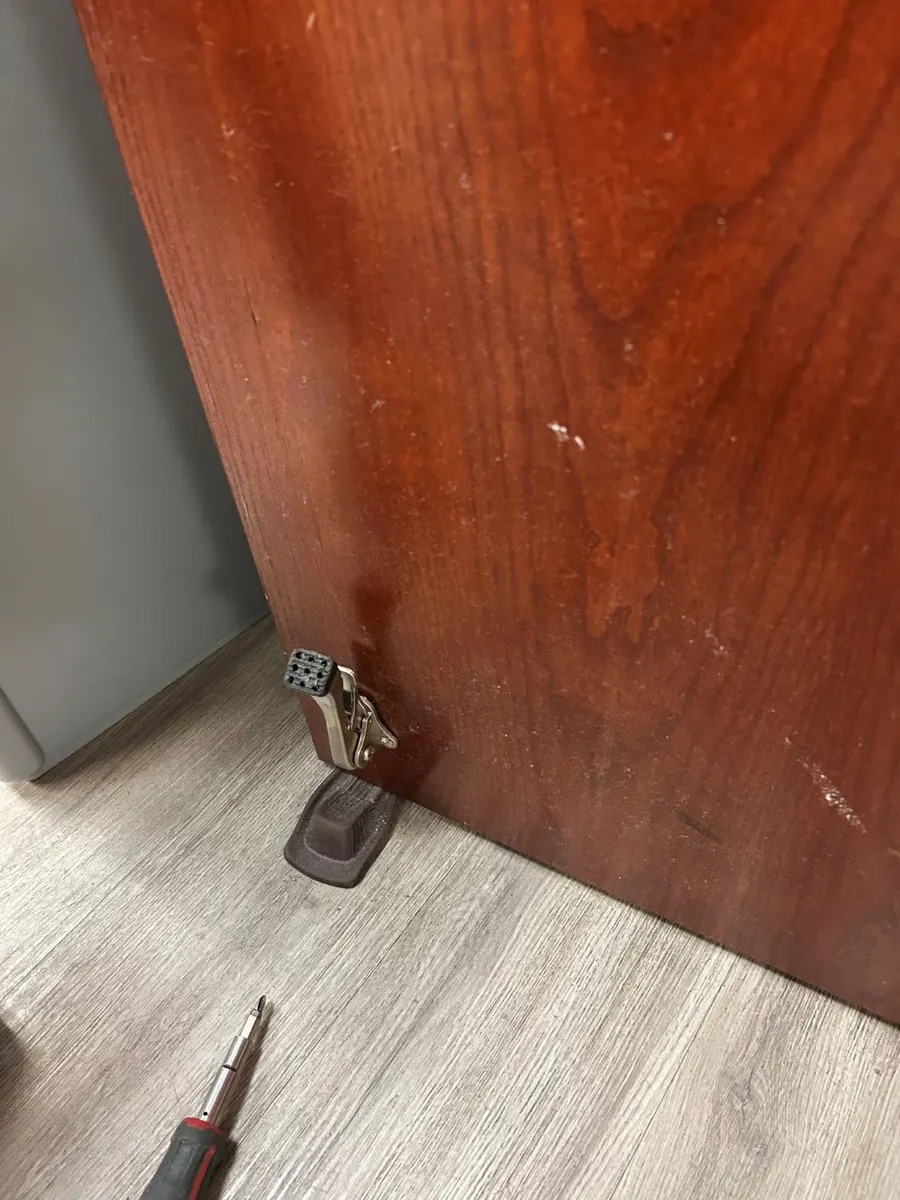 LESSON / 006
Kick-down holders: the $5 device that fails a fire door
Staff get tired of opening the same door all day, and someone screws a kick-down holder to the bottom of it. Now the door can’t close on its own. How to spot one, take it off, and fill the holes the right way.
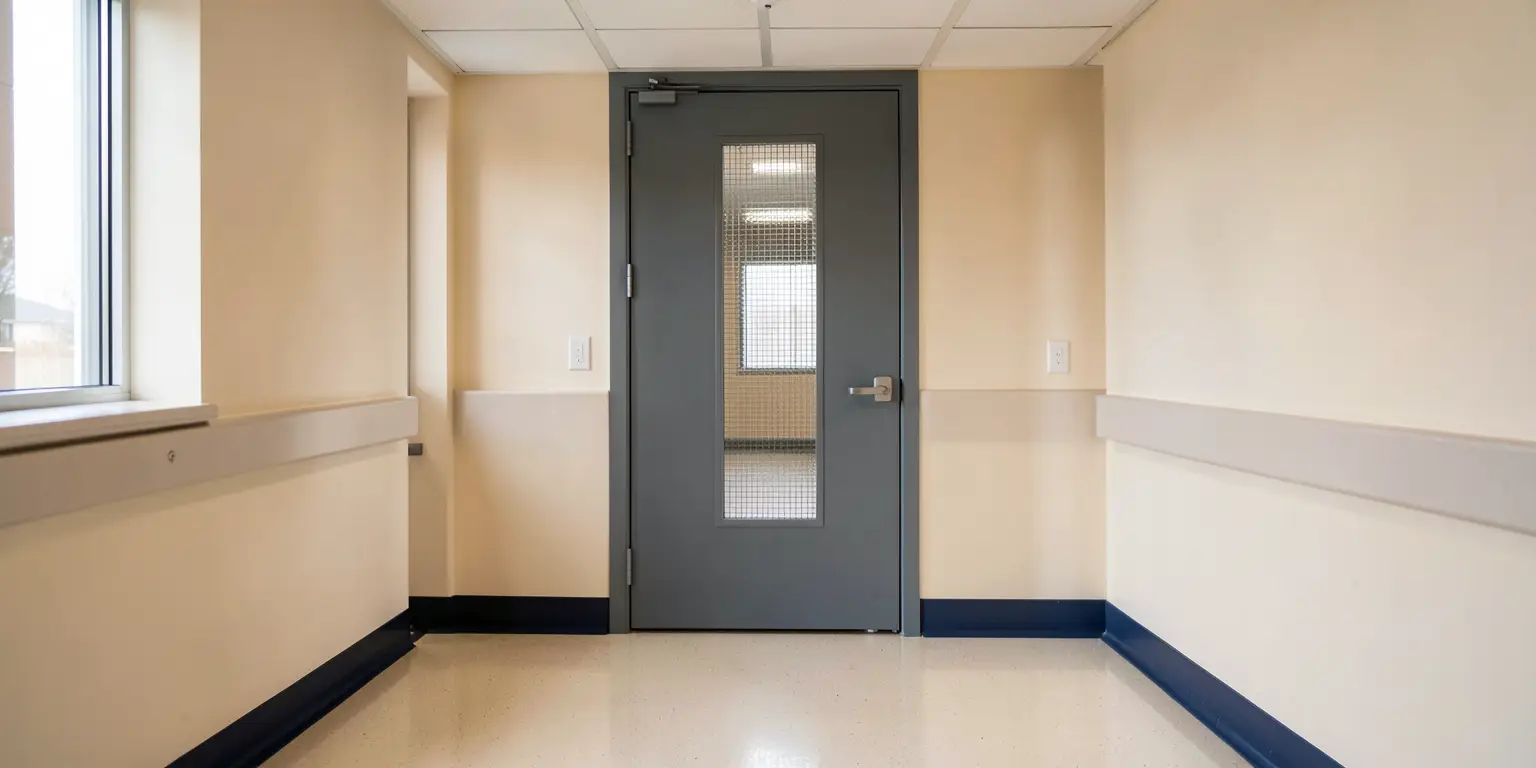 LESSON / 005Illustration
Glass in fire doors: sizes and labels
A two-page glazing handout from Anemostat that Donald keeps coming back to. How big the glass can be, how a light kit is sized, and how to read the mark etched in the corner.
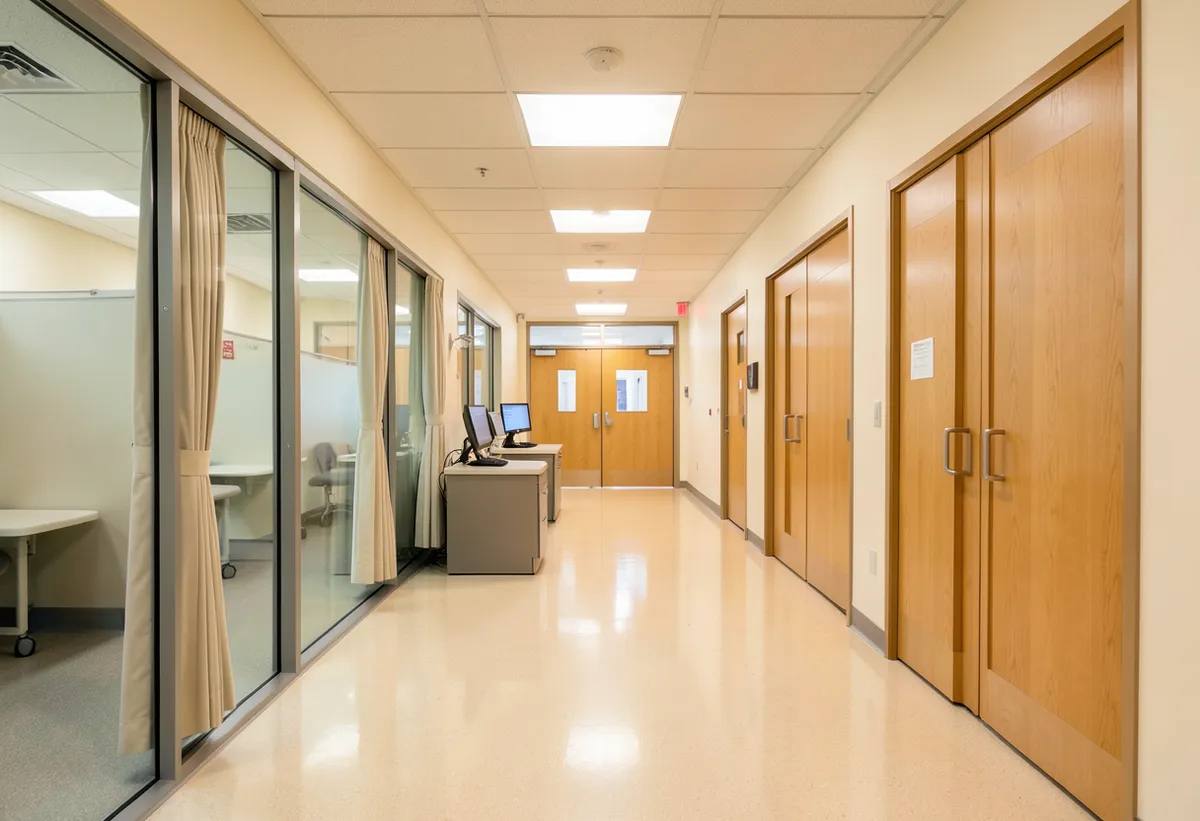 LESSON / 004Illustration
Suites in health care, kept simple
Everyone seems to have their own definition of a suite. Here is what the code actually allows, and the numbers CMS still enforces.
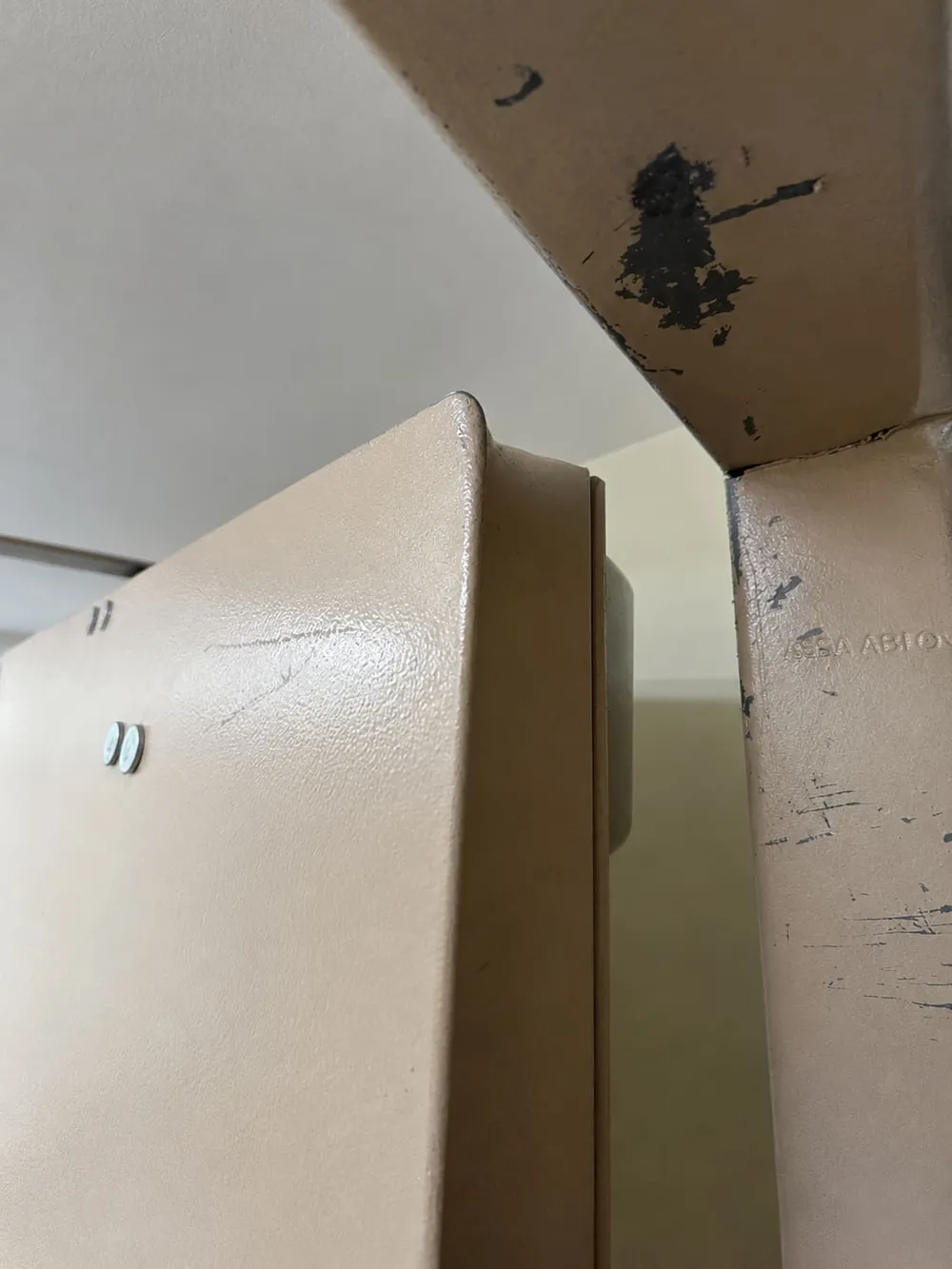 LESSON / 003
Bent edge guards: a 10-minute fix
Edge guards on busy corridor pairs get twisted and stop the doors from closing. Often you can straighten them yourself instead of buying new ones.
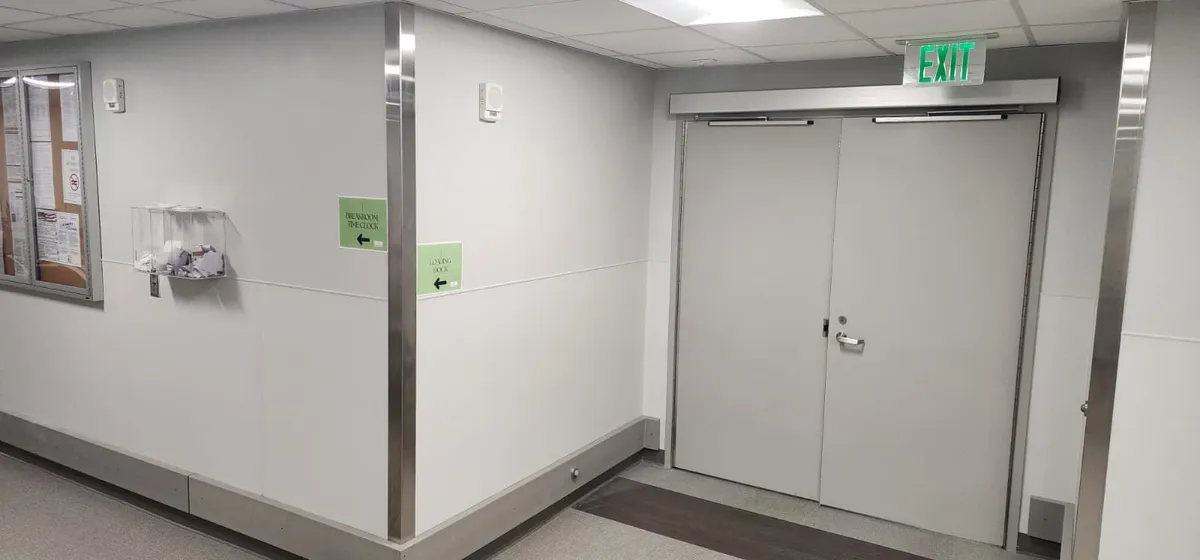 LESSON / 002
Fail safe vs fail secure
We see both on almost every campus, and it gets confusing. What each one does when the power goes out, and which one a fire door needs.
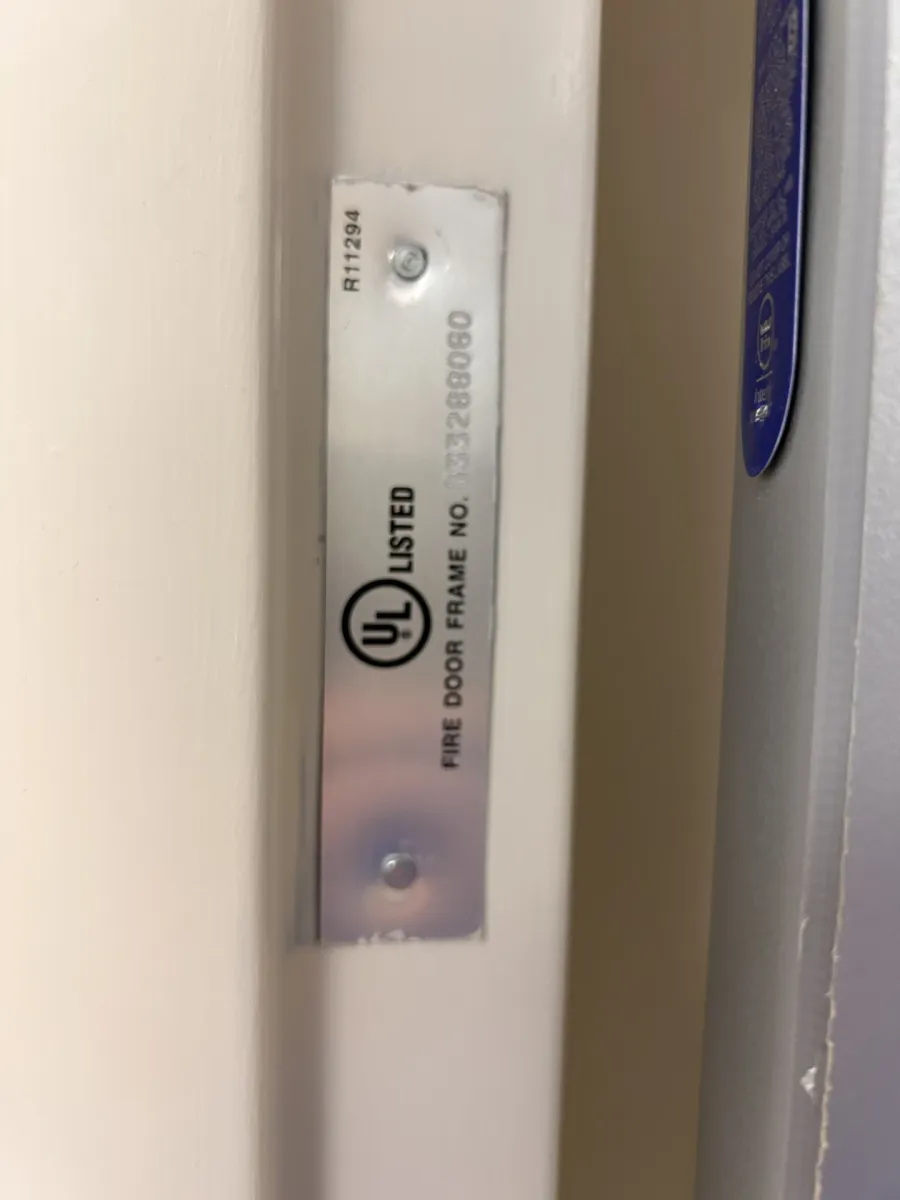 LESSON / 001
A frame label with no hours on it
The label says “Fire Door Frame” and nothing else. Is that frame good for your opening? Usually yes — with one thing to check.
Fire door articles and tools
Door edge and bottom clearances in 60 seconds, steel and wood.
ToolThe Samektra Gap Wheel™The spinning gap gauge: edge steps, bottom clearance, and the gap-kit limit.
ArticleFire doors (NFPA 80)Labels, clearances, the annual inspection and what fails it.
ArticleGap 90: fixing an oversized fire door gapNGP’s GAP90 and other listed gap kits — what they cover, when they are the right fix, and what each NFPA 80 edition says.
ArticleFail-safe vs. fail-secure door hardwareWhich way a locked door goes when the power drops, and why it matters for egress and fire doors.
ArticleRolling & sliding fire doorsDrop tests, fusible links and the doors that close on their own.
ArticleDelayed egress & special lockingThe 15-second delay, the signs, and where special locking is allowed.
ArticleEgress locking devicesMaglocks, delayed egress and how the fire alarm releases them.
ArticleMagnetic door holdersHolding fire doors open legally, and letting them go on alarm.
ArticleRoll-down fire door releaseReleasing rolling fire doors from the fire alarm.
ToolNFPA 80 decodedThe fire door standard, section by section, in plain language.
Look closer on your next round.
A label. A latch. A detail you might have walked past.
Stuck on a door? Send a photo of the label and edge to the expert help desk, or ask Clara.