BCSP Certified Safety Professional (CSP) — The Course
The CSP11 blueprint, domain by domain — with the math you have to carry into the room

Where the official exam weight actually sits
Per BCSP’s CSP11 Examination Blueprint (V.2024.04.24). Exam: 200 questions, 5.5 hours.
When you finish, you'll be able to
- Work CSP math without a formula sheet — incident rates, statistics, probability, engineering economics and unit conversions
- Apply prevention through design, the hierarchy of controls and process safety (MOC, pressure relief, compatibility)
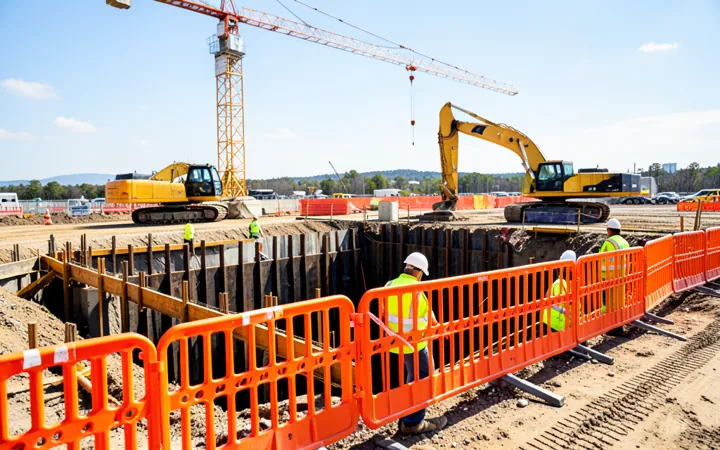
- Recognize and control the common workplace hazards: electrical, falls, confined spaces, lockout, excavation, fleet, materials handling and machines
- Build and audit a safety management system against ISO 45001 and ANSI/ASSP Z10, with leading and lagging indicators
- Investigate incidents to root cause and use FTA, FMEA and management of change
- Assess risk, choose controls and pick a financial strategy — avoid, retain, transfer, reduce
- Plan for emergencies, fire and environmental compliance
- Anticipate, evaluate and control health exposures — noise, chemicals, radiation, heat, ergonomics
- Design, deliver and evaluate training for adult learners
How this course works · 1-minute read









Continuing education
Finish every lesson and you can print a completion certificate with the date, the course version and your measured contact hours — the time you were active in the course, rounded down to the half hour. BCSP decides which activities earn recertification points. This course is not BCSP-approved, and LifeSafetyWiki is not an accredited provider. Keep the certificate with your records in case BCSP accepts it for your cycle.
Certified Safety Professional (CSP)
The flagship US safety credential. Held by safety managers, EHS directors, and consultants. The CSP exam is widely considered the most rigorous safety exam in the country.